


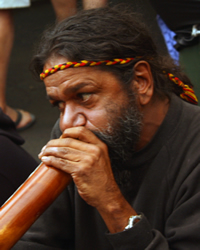

The Southwest Aboriginal in Australia refer to Indigenous peoples of the southwestern region of the continent, particularly those associated with groups such as the Noongar peoples of Western Australia. These communities are part of the broader Aboriginal population of Australia, whose presence on the continent stretches back tens of thousands of years.
In the southwest, Aboriginal groups lived across coastal and inland regions, developing distinct languages, customs, and social structures tied closely to their environment. The Noongar peoples, for example, traditionally occupied this region and maintained strong connections to land, family, and seasonal patterns of life.
European settlement in the nineteenth century brought major disruption, including loss of land and changes to traditional ways of life. Despite these challenges, Southwest Aboriginal communities have continued to preserve elements of their identity, language, and cultural heritage across generations.
Historically, Southwest Aboriginal communities lived in small, mobile groups, moving with the seasons to access food, water, and natural resources. Their way of life was closely tied to the land, which provided everything needed for survival.
Traditional shelters were simple but well adapted to the environment, often made from branches, bark, and natural materials. Clothing could include animal skins, especially in cooler climates. Tools were crafted from stone, wood, and bone, reflecting practical knowledge of the environment.
Today, many Southwest Aboriginal people live in towns and cities, while still maintaining strong family networks and cultural ties. Community life often emphasizes kinship, respect for elders, and shared responsibility. Cultural practices such as storytelling, art, and ceremonial gatherings continue to play an important role in passing knowledge from one generation to the next.
There is a continuing effort among many to preserve language and cultural traditions while navigating life in a modern national society.
The Southwest Aboriginal are identified with a mix of beliefs, including Christianity and traditional spiritual practices.
Traditional beliefs among Aboriginal groups commonly involve trust in spiritual beings connected to the land, ancestors, and creation accounts often passed down through oral tradition. These beliefs shape how people understand the world and their place within it.
Where such beliefs are held, they represent faith placed in spiritual forces apart from the one true God revealed in scripture. The Bible calls all people to turn from every other source of spiritual trust and to place their faith in Jesus Christ alone for forgiveness of sin and reconciliation with God.
Christianity has been present among Aboriginal communities for generations, and there are those who identify with the Christian faith. However, there remains a need for clear biblical teaching and a deeper understanding of the gospel so that faith is grounded fully in God's Word.
Scripture availability should be approached with care, as access may vary by language and community.
The Southwest Aboriginal communities have a need for faithful, biblically sound teaching that leads to genuine understanding of the gospel and personal trust in Jesus Christ.
There is a need for strong and well-equipped church leaders who can teach Scripture clearly and help believers grow in spiritual maturity. Discipleship that moves beyond outward identification with Christianity to a deep and obedient faith is essential.
Cultural and linguistic diversity within these communities can make communication of biblical truth more complex, highlighting the importance of sharing Scripture in ways that are clearly understood.
There is also a need for encouragement and support for believers who desire to live faithfully for Christ within their families and communities.
Pray that the Southwest Aboriginal would come to a clear and personal faith in Jesus Christ and trust in Him alone for salvation.
Pray for biblically faithful leaders who can teach God's Word with clarity and conviction.
Pray that Scripture would be accessible and understood in ways that speak clearly to the heart of the people.
Pray that believers would grow in spiritual maturity and live lives that reflect obedience to Christ.
Pray that Southwest Aboriginal Christians would be equipped and burdened to share the gospel with other Aboriginal groups and throughout Australia.
Scripture Prayers for the Aboriginal, Southwest in Australia.
| Profile Source: Joshua Project |



